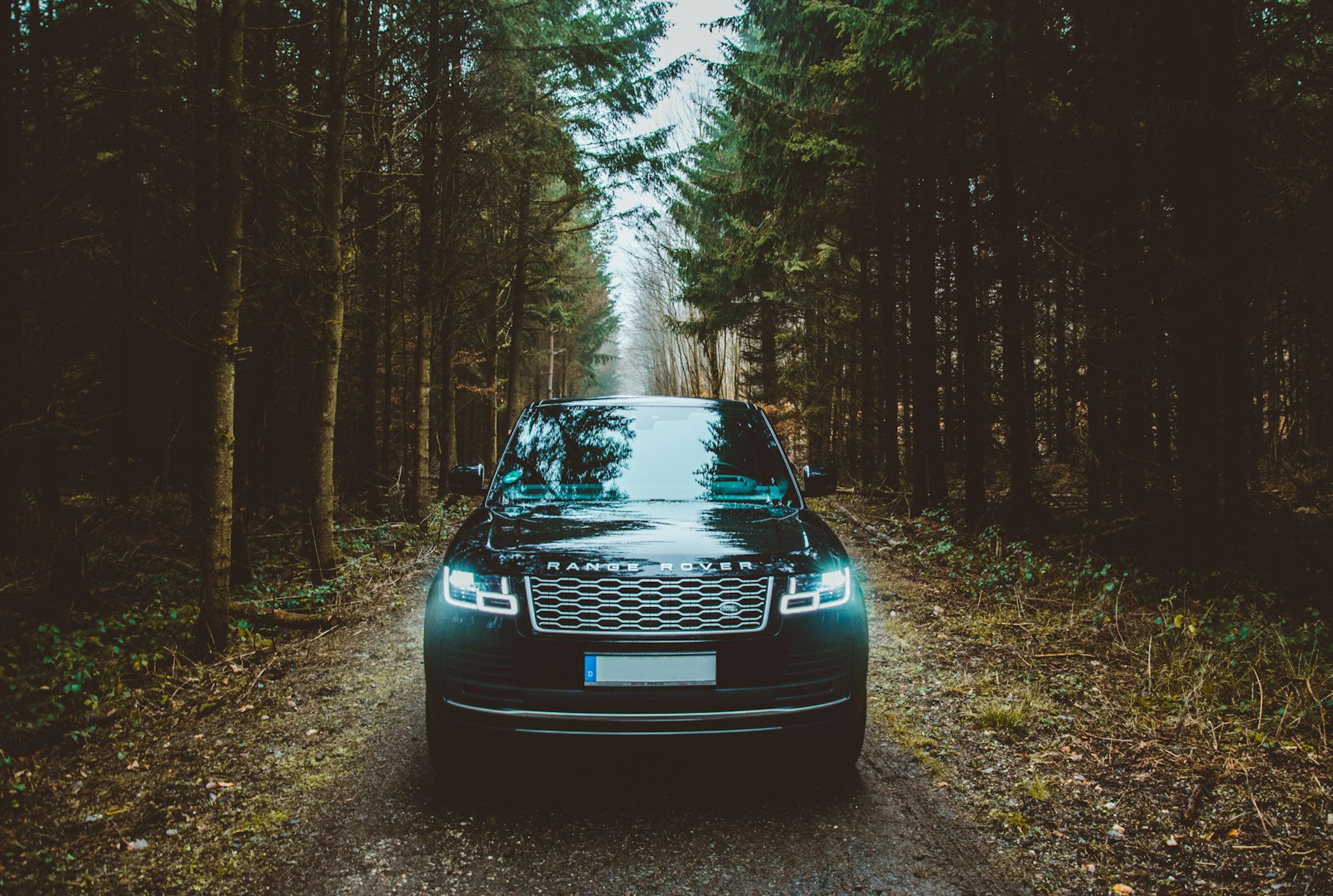
How to Start Overlanding With a Stock (Unmodified) SUV
As an Amazon Associate we earn from qualifying purchases. Some links on this page are affiliate links, meaning we may earn a commission at no extra cost to you. Learn more.
Most overlanding content assumes you're already driving something lifted, armored, and running 35" tires. If you're starting with a completely stock SUV, here's the honest version: it can handle more than you'd think, as long as you're honest about where its limits are.
What a stock SUV can handle
Maintained dirt and gravel forest roads, moderate washboard, light mud, and most established campsite access roads are within reach of a stock AWD or 4WD SUV with decent ground clearance and — this matters more than people think — good tires (see
our tire guide
). A huge amount of "overlanding" in practice is just this: driving somewhere scenic on a road your stock vehicle handles fine, and camping there.
Know the difference between AWD and real 4WD
If your SUV is AWD only (common on crossovers), it's sending power to all wheels automatically but usually has no low-range gearing and less ground clearance than a true 4WD SUV. This is fine for maintained dirt roads but is not built for technical terrain, deep mud, or steep loose climbs. Check your owner's manual — this single fact determines more about where you can safely go than any accessory you could buy.
The one skill that matters more than any mod: airing down
Lowering tire pressure on dirt, sand, or gravel increases your tire's contact patch and traction significantly — and it costs nothing but a few minutes, unlike any vehicle modification.
- ARB Deflator Kit — screw onto your valve stems, dial in a target PSI, and it airs down all four tires accurately without you standing there watching a gauge. ARB is a respected brand in the overlanding space for a reason, and this is a small, one-time purchase that makes every trip easier.
Air back up to street pressure before highway driving — a gas station air pump or a small 12V inflator handles this.
Bring recovery gear even in a stock vehicle
A stock SUV on maintained roads is unlikely to get seriously stuck, but "unlikely" isn't "never." The kinetic rope and traction boards from
our starter gear guide
apply here too — they're cheap insurance regardless of what you're driving.
When you actually need modifications
- All-terrain tires if you're still on street/highway tires — the highest-impact upgrade, and not really optional if you're doing this regularly.
- A lift kit or larger tires, only once you're consistently doing terrain where you're scraping the underside or losing clearance on obstacles a stock vehicle can't clear.
- Armor (skid plates, rock sliders), only once you know the specific terrain you're doing regularly requires it.
Don't buy any of these preemptively. Do a season of trips in your stock vehicle first, and you'll know exactly what you actually need instead of guessing from build videos.
As an Amazon Associate we earn from qualifying purchases. Some links on this page are affiliate links, meaning we may earn a commission at no extra cost to you. Learn more.